
Metal with the highest melting point
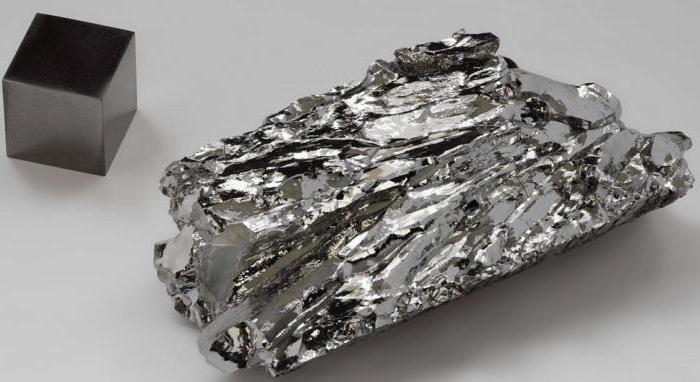
Tungsten is the metal with the highest melting point and highest tensile strength of all pure metals. This makes it extremely useful. Only the non-metallic element, carbon, has a higher melting point.
Metal is also a popular alloying element. Because its melting point is so high, it is often alloyed with other elements to make things like rocket nozzles, which must withstand extreme temperatures. Because of its high refractoriness, tungsten began to be used to manufacture spirals in incandescent lamps.
Tungsten is quite rare in nature. The metal content in the earth’s crust by mass is about 1.3•10−4%. Nearly half of all tungsten is used to produce tungsten carbide. It is an exceptionally hard material that is used to make cutting tools (for the mining and metalworking industries), abrasives, and heavy equipment. It can easily cut titanium and high-temperature superalloys.
History of the name
The name wolframite is derived from the German wolf rahm (‘wolf soot, wolf cream’) and is a reference to the large amounts of tin consumed by the mineral during its extraction, as though the mineral devoured it like a wolf.
Application
The primary use of tungsten is as a base material in refractory materials in metallurgy. It is also used in the production of machinery and equipment for the metalworking, construction and mining industries, in the manufacture of lamps and lamps, in the transport and electronics industry, in the chemical industry and in other areas. Made from tungsten steel, the tool is capable of withstanding the enormous speeds of the most intense metalworking processes. Such a tool’s cutting speed is usually measured in tens of meters per second.
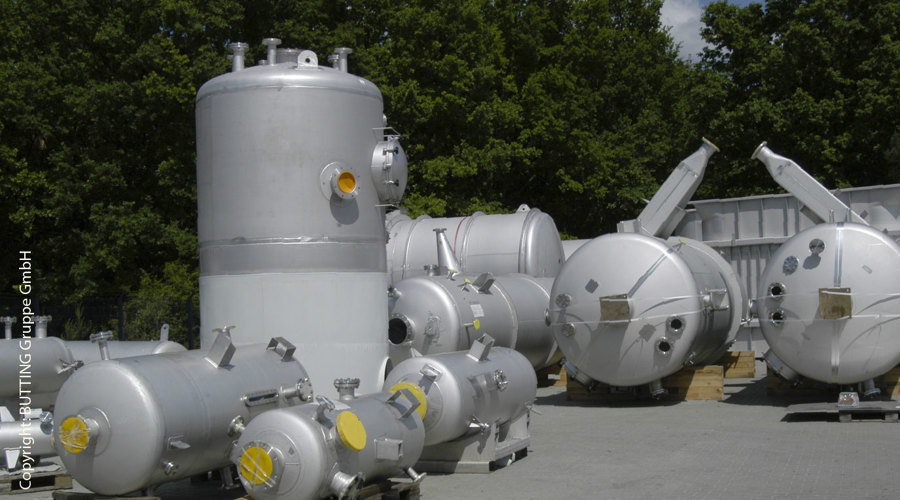
Stainless Steel Mix and Match – Some Do’s and Don’ts
Can you mix stainless alloys in the same construction? What guidelines are there for mixing and matching alloys for success? Let’s look at a few cases.
Learn more
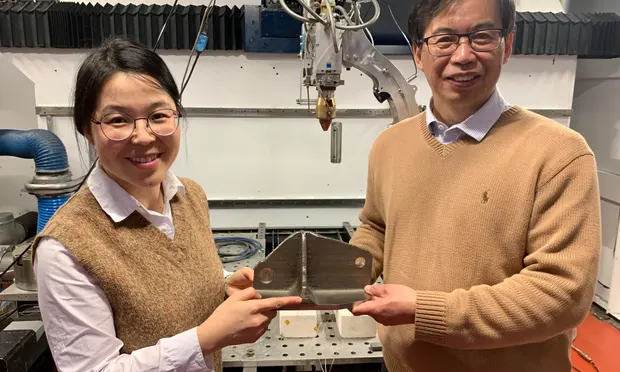
Australian scientists create new class of titanium alloys
Alloy 3D-printed from metal powder rivals the conventional ‘magic metal’ – used in aerospace and biomedical engineering – for strength and sustainability
Learn more
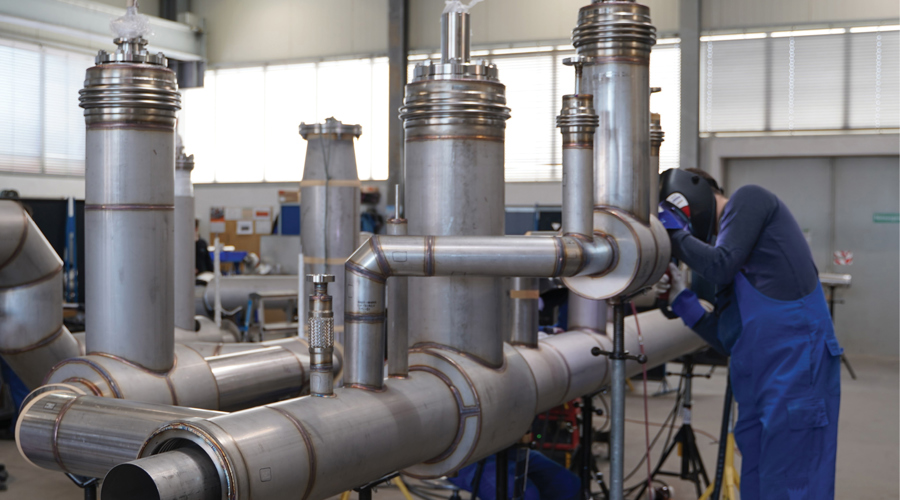
Nickel – a VIP solution…
Vacuum insulated piping (VIP) makes it possible to transport liquefied gases at temperatures well below 0 °C to facilitate the energy transition
Learn more
Renewable diesel, a promising nickel catalyst turns fat to oil
According to the International Energy Agency, renewable fuel demand is expected to grow rapidly over the next few years.
Learn more